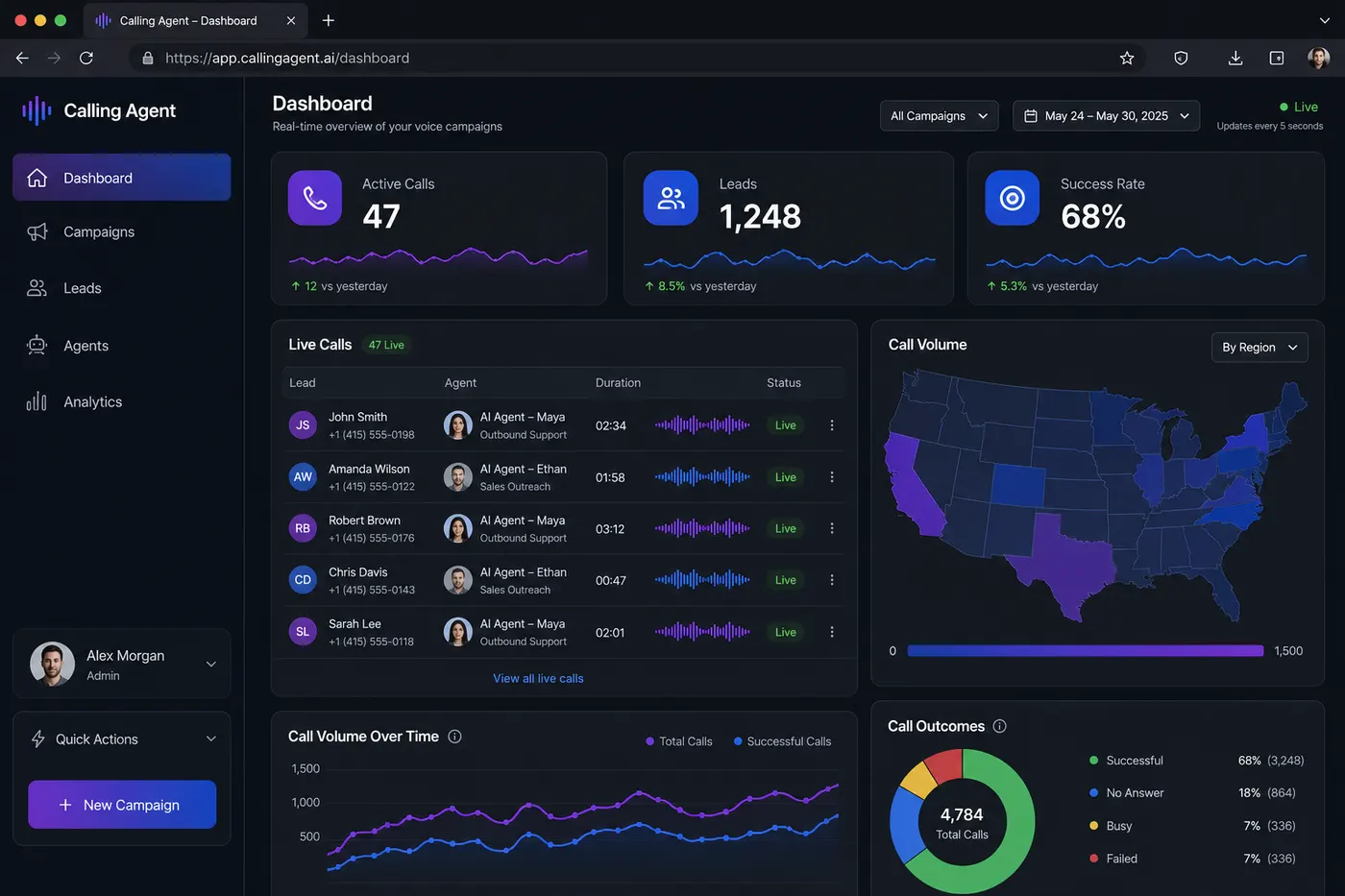
How I Built an AI Voice Campaign Platform That Handles 1000+ Leads in Real-Time
How I built Calling Agent — an AI-powered voice campaign platform that calls 1000+ leads per day, scores them in real-time, and reports back via WebSocket.
Real-world patterns from building production AI systems,
full-stack apps, and mobile products.
How I built Calling Agent — an AI-powered voice campaign platform that calls 1000+ leads per day, scores them in real-time, and reports back via WebSocket.
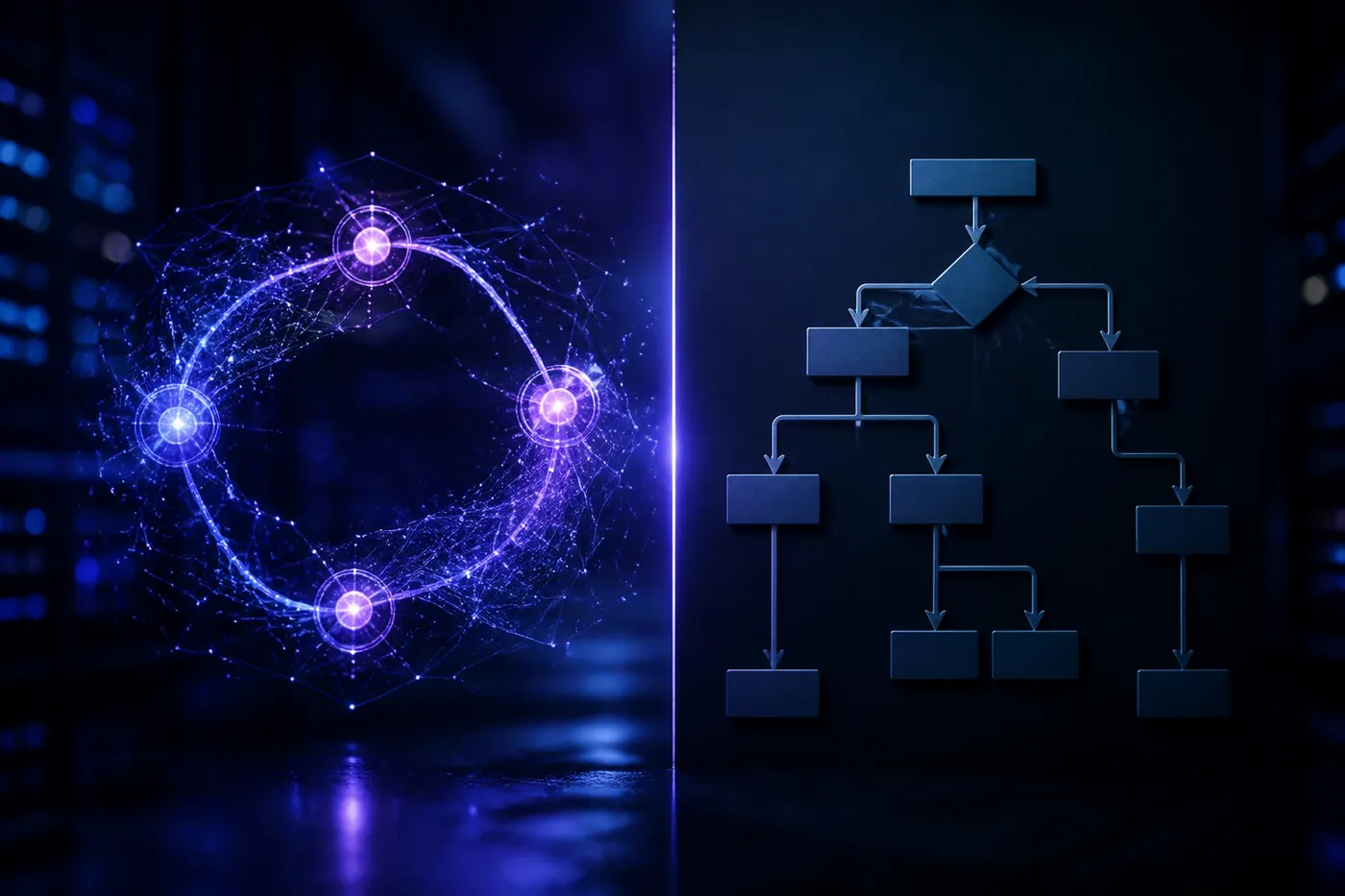
The real technical difference between traditional automation and agentic AI — with production code from a voice campaign platform calling 1000+ leads per day.
5 hard lessons from shipping 3 AI products in 18 months — prompt versioning, latency, cost control, hallucination mitigation, and observability.
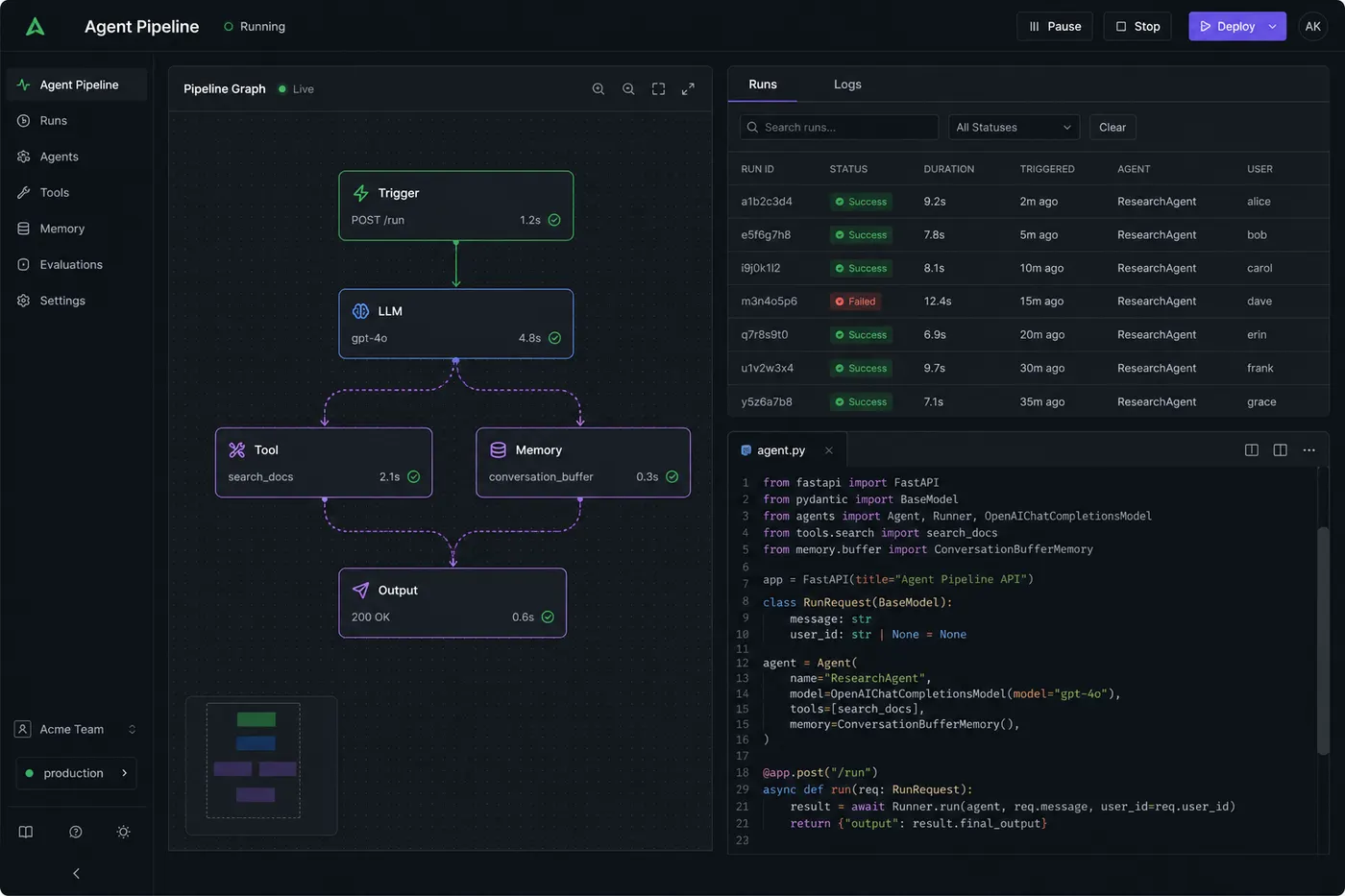
How I architected a no-code AI agent builder with React Flow — visual node editor, graph execution engine, Zod output validation, and zero-downtime deploys.
A technical deep-dive into multi-tenant AI SaaS architecture — shared DB with tenant isolation, Redis Bull with tenant namespacing, and per-tenant LLM rate limiting.
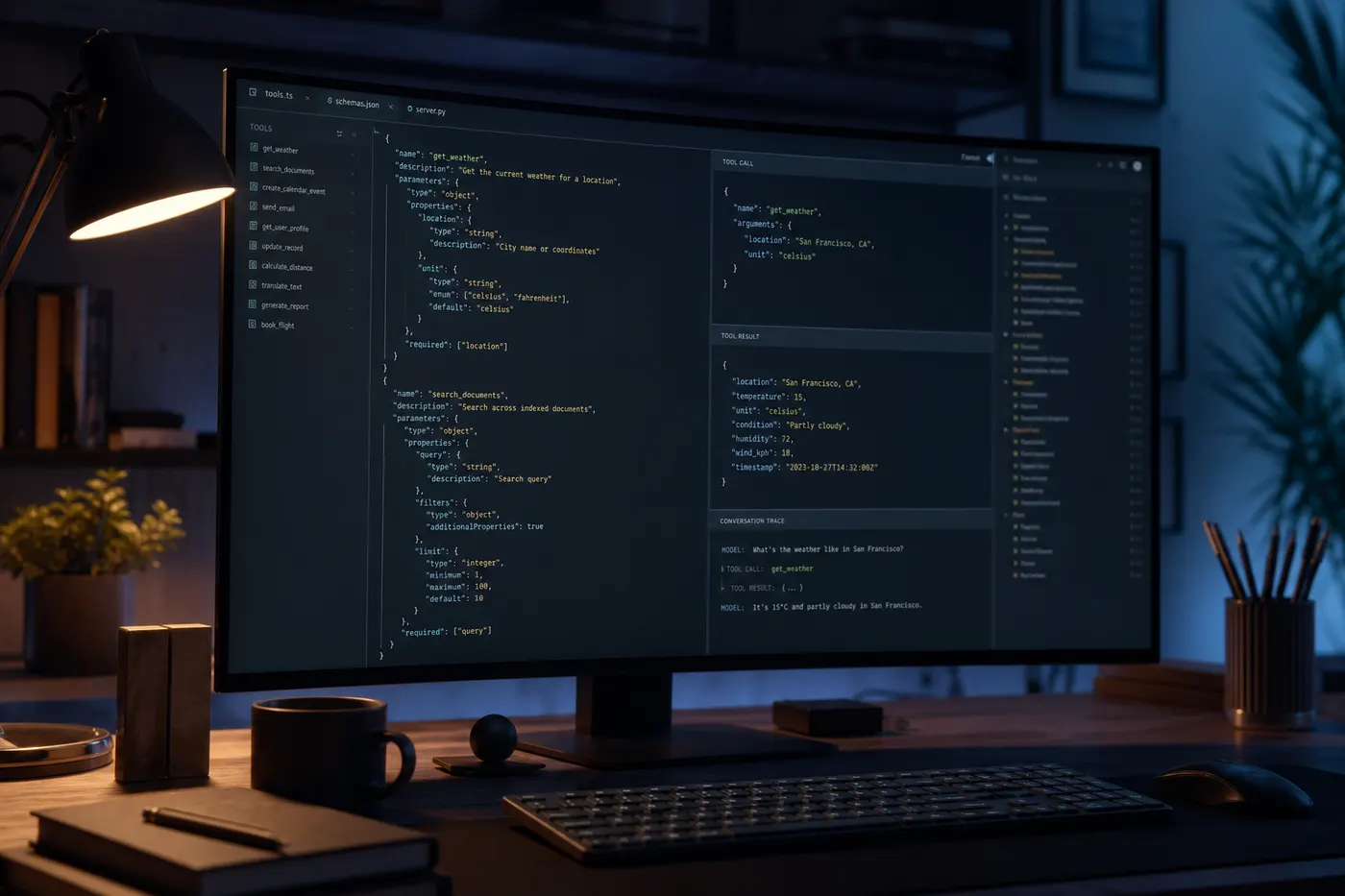
A practical guide to OpenAI function calling in production — tool schema design, the execution loop, Zod validation, error handling, and 5 design principles.
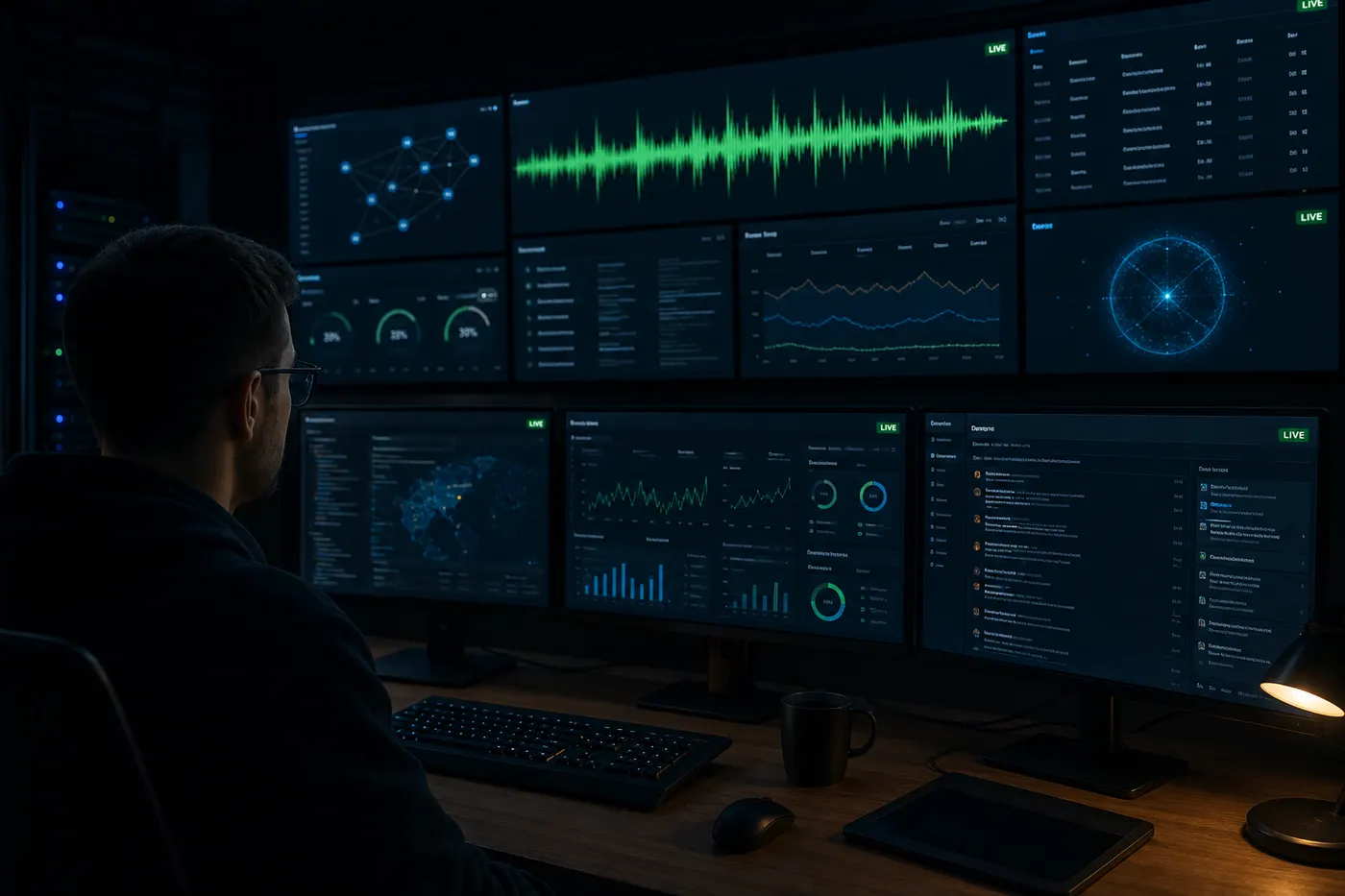
How I built a real-time WebSocket dashboard to monitor AI voice campaigns — Socket.io rooms, Redis adapter for scaling, React live charts, and preventing event floods.
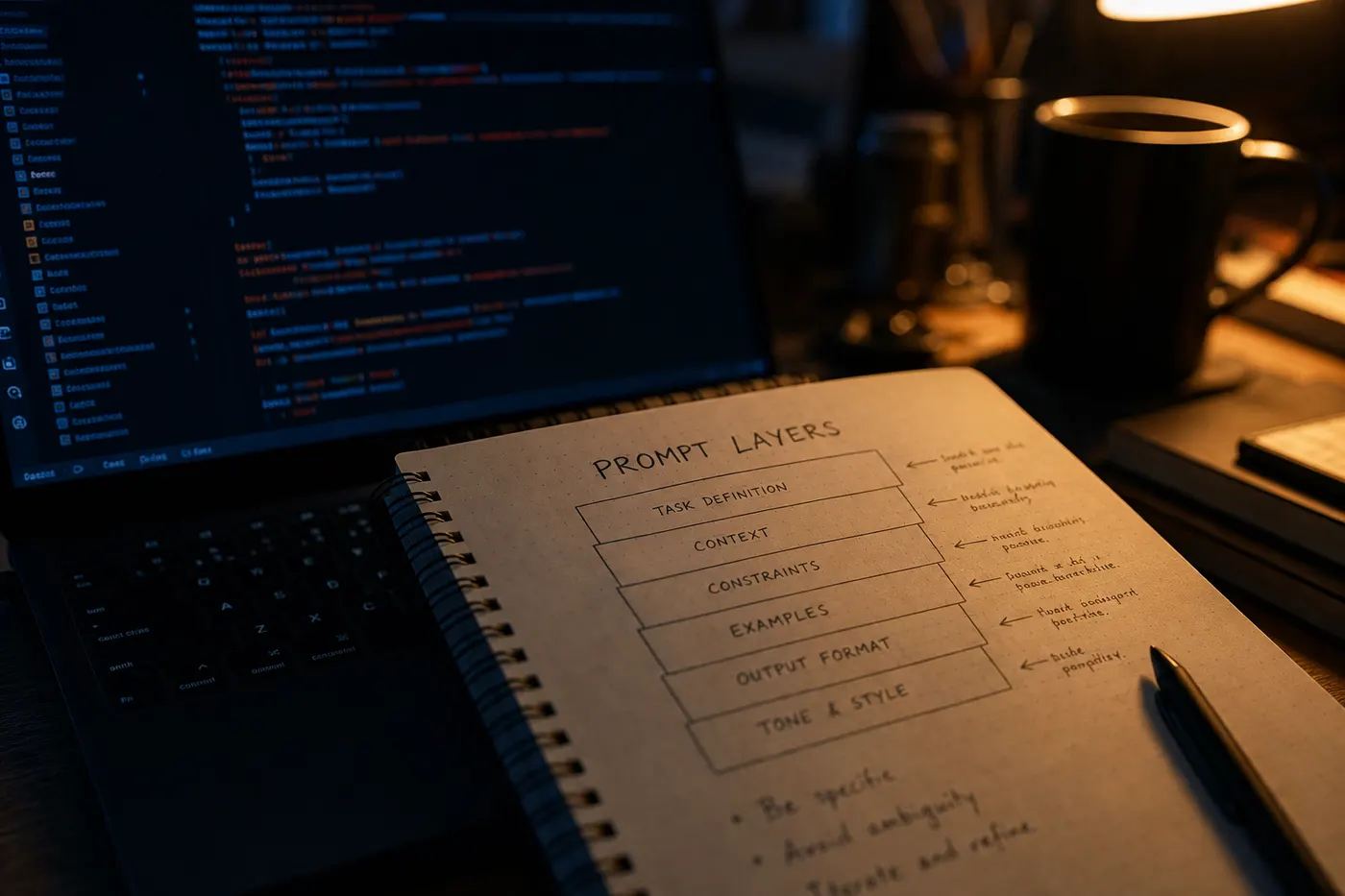
7 prompt engineering patterns I use in production AI systems — three-layer prompts, chain of thought, Zod output constraints, persona anchoring, context compression, temperature tuning, and prompt versioning.
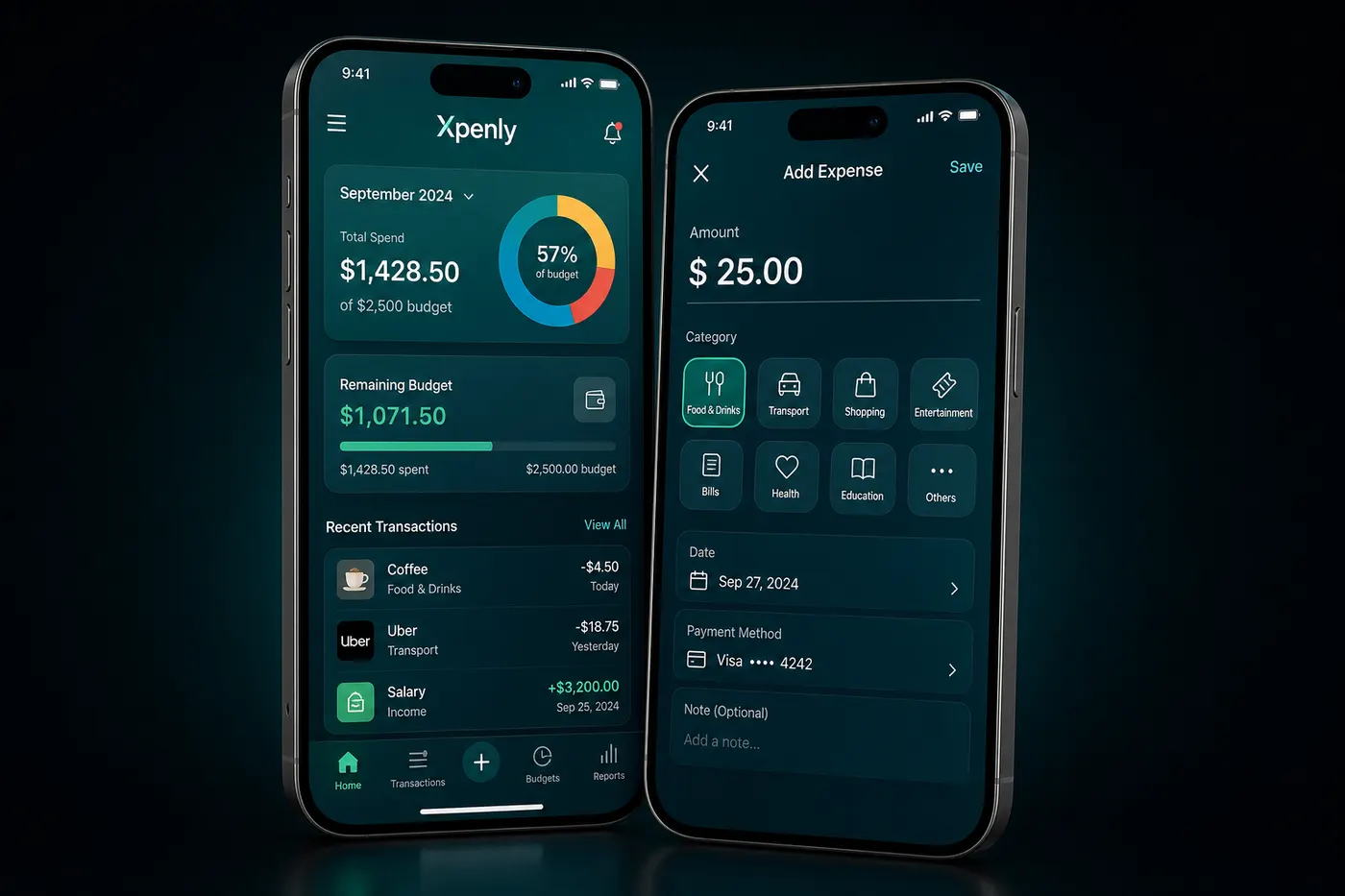
The full story of building and publishing Xpenly — a React Native expense tracker — on the App Store. Stack, architecture, recurring transactions, and the App Store submission process.
6 trends defining the future of AI agents in 2025 — multi-agent systems, vector memory, voice AI, structured output, observability, and what it means to be an AI-fluent developer.